Solid timber, engineered and hollow-core doors
How solid timber, engineered and hollow-core leaves actually behave in Australian houses — movement, paint, cost, and the rooms where a cheap door is the honest choice.
Elena Vukovic · Building editor · 17 October 2024 · 7 min read
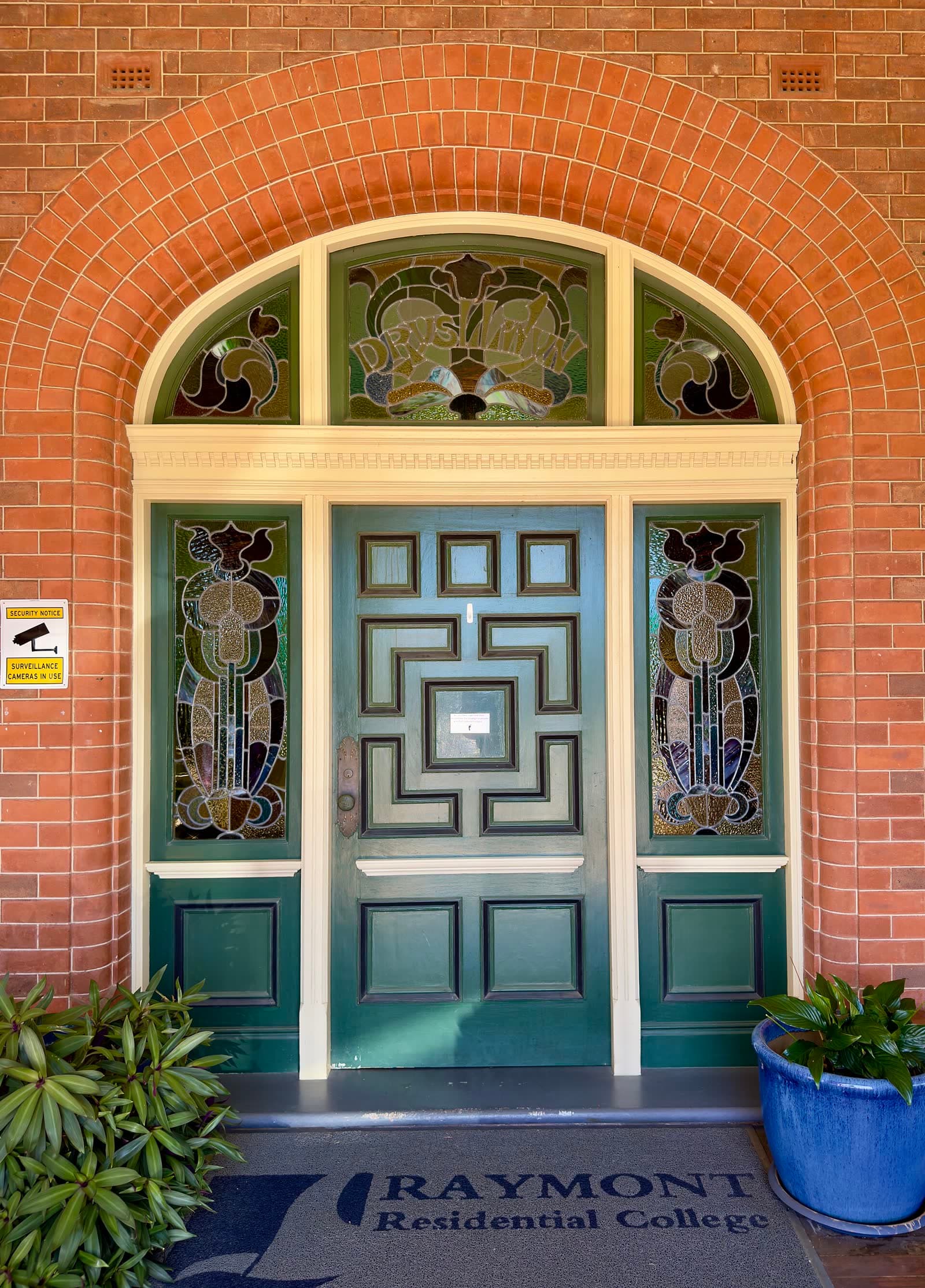
A door leaf is not a style. It is a sandwich of timber, glue, air and, sometimes, hope. In an Australian house that sandwich has to survive a west-facing brick veneer in summer, a wet Queenslander hallway in March, and the particular insult of a heat pump blowing dry air at one face while the other sits against a cold garage. The three common constructions — solid timber, engineered, and hollow-core — fail in different ways. Choosing among them is less about taste than about which failure you can live with.
If you are still deciding whether the opening should be hinged, sliding or a pivot, start with how to buy an entry door in Australia and come back when the leaf itself is the question.
What “solid” actually means
Species, mass and the dishonest slab
Solid timber, in the trade, is not always a single plank. A traditional four-panel Victorian or Federation leaf is a frame of stiles and rails with floating panels. The panels are meant to move. A modern “solid hardwood” entry may be laminated strips under a veneer, or a slab of plantation meranti with a decorative skin. Both can be honest products. The dishonest one is a door sold as solid when the core is a light particleboard and the edge banding is doing all the visual work.
Species matter more than the brochure font. Victorian ash and Tasmanian oak are stable enough for internal leaves if they were dried properly. Spotted gum and blackbutt make dense, hard entries that take a beating on a farm verandah, then surprise you by moving across the grain when a dry inland winter follows a wet spring. Western red cedar is kind to paint and kind to weight, which is why it still turns up on older Queenslander French doors. Meranti is the workhorse import: inexpensive, easy to machine, and a little bland until the sun finds a thin topcoat.
A solid leaf has mass, which helps acoustic performance in apartments and home offices and the feel of a lockset. It also means hinges have to be sized, and a closer on an NCC access route has to respect opening force.
Engineered leaves, and why they exist
Engineered doors were invented because solid timber is a seasonal animal. Laminated stiles, finger-jointed rails, and a core of timber strips, foam, or a designed composite keep the faces flat while the climate does what Australian climates do. A good engineered entry is not a fake. It is a leaf that has been designed around movement instead of pretending movement will not happen.
Look at the edge: laminated timber, not a plastic tape hiding chipboard. Look at the skin: a real veneer, not a foil wrap. Look at the warranty climate clause. A western Sydney garage that hits 50 degrees in January, or a bathroom with no exhaust, sits outside that band whether the salesperson smiled or not.
Engineered construction is often the right answer for a painted contemporary entry in climate zones 5 and 6 — Sydney, Perth, Adelaide, Melbourne — where you want a stable slab and hardware that stays aligned. The word to distrust is not engineered. The word to distrust is unspecified.
Hollow-core, without the sneer
Hollow-core doors are cardboard honeycomb, or a similar light lattice, between two thin skins. They weigh little. They cost little. They take a standard passage set. They are also the reason a generation of renovators think internal doors are disposable.
They are fine in the rooms that match their physics. A robe in a bedroom, a linen cupboard, a study nook that is not trying to keep piano practice out of the hallway: hollow-core is the honest, cheap leaf. It is not fine as an entry, as a wet-area door that will see splash, or as the only barrier between a home office and a toddler with a xylophone.
The failures are predictable:
- A kick or a doorknob punch leaves a permanent crater in the skin.
- Moisture from a steamy laundry wicks into the honeycomb and the leaf goes soft at the bottom.
- A heavy privacy latch or a closer has nothing solid to bite, so the lock block — if there is one — tears out.
- Sound goes through as if the opening were a curtain.
Use hollow-core where it belongs and spend the difference on doors that face weather, water or neighbours.
When hollow-core is the correct specification
Specify it when the opening is internal and dry; nobody needs acoustic, fire or security separation; the hardware is a light passage or privacy set; and you will replace the leaf if it is damaged. A rental bedroom, a walk-in robe, a cupboard under the stairs: this is hollow-core country. A bathroom is a maybe, and only with a moisture-resistant skin and a room that actually exhausts. A laundry that floods toward the wet-area door and waterproofing details of AS 3740 is not a maybe.
Movement, humidity and the west wall
Timber moves across the grain as it takes up and gives off moisture. Australia makes that sentence expensive. A leaf hung in an air-conditioned hallway, then closed against a brick veneer that has been in full afternoon sun, has two climates on two faces. The convex warp toward the hot, dry face is not a mystery. It is a moisture gradient.
The National Construction Code does not grade door cores, but it does expect a building to manage condensation and weatherproofing as a system. A door that sticks in March and rattles in August is often a ventilation problem wearing a carpentry costume. Our note on warped, sticking doors and humidity is the longer version of that argument. The short version is: keep both faces finished, keep the house from swinging between sauna and fridge, and do not blame the species until you have checked the exhaust fans.
A door leaf is a hygrometer you happen to walk through. If it is telling you the hallway and the verandah disagree, believe it before you plane the stile.
In climate zone 2 — coastal Queensland and northern New South Wales — the risk is swell, mould on the bottom rail, and paint that never quite dries. In zone 4 and the dry end of zone 5, the risk is shrinkage and a latch that misses the striker. An engineered core will not repeal the climate. It will usually stay flatter while it argues.
Paint, stain and the six edges
Paint is a coating system, not a colour. On meranti and mixed hardwoods under Australian ultraviolet, a good exterior acrylic or a two-pack polyurethane on an entry will outlast most oils. Clear finishes look lovely on spotted gum for a year and then go amber, then thin, then chalk. That is not a moral failing. It is photochemistry.
Internal leaves can take a water-based enamel and a light heart. The rule that still gets skipped on site is the six-edge rule: both faces, both stiles, the top rail and the bottom rail all need coating before the door is hung. An unsealed bottom edge sitting over a wet bathroom threshold, or an unsealed top edge in a roof space that cooks, will take up moisture from the one place nobody looks.
Cost, without invented dollars
Prices move; the shape of the market does not. A hollow-core internal door is still a commodity. A decent engineered internal slab sits in a middle band. A solid or engineered exterior entry, prehung and weather-sealed, is a different order of expense — especially with a multipoint lock, a screen, or a BAL-rated set. Labour is the sleeper: planing a solid leaf to a twisted 1950s jamb can cost more than the door.
If you are comparing timber with composite and uPVC in Australian climates, do it on maintenance and heat, not the first quote. Timber asks for paint. Plastics ask whether a dark colour will hold its shape in a western sun.
Specifying without romance
Write the leaf as you would a window: core, skin, edge, species or veneer, finish, moisture content, hardware blocking, warranty climate limits, prehung or not, and Grade A safety glass under AS 1288 if glazed. Then walk the opening. A 2040 millimetre leaf in a 2100 millimetre weatherboard frame that is 20 millimetres out of plumb is a different job from a new 2040 in a steel-framed display home. The materials hub collects the neighbouring arguments — aluminium at the coast, steel that does not look like a bunker, glass that will not cut someone — because the leaf is only one layer in the wall.
A solid door is a pleasure when the house can keep it. An engineered door is a pleasure when the climate will not. A hollow-core door is a pleasure when you stop asking it to be either of the other two.
Frequently asked questions
- Is a hollow-core door ever acceptable on an entry?
- Almost never on a weather-exposed Australian entry. Hollow-core leaves are internal products. They lack the mass, edge sealing and hardware support an exterior door needs, and they fail quickly once rain or coastal humidity reaches the honeycomb.
- Will a solid-timber door warp on a west-facing verandah?
- It can, if the moisture content is wrong, the finish is thin, or one face bakes while the other sits in a cool hallway. Specify a stable species, finish both faces equally, and keep a weatherboard or verandah cover over the leaf if you can.
- What is the difference between engineered timber and a cheap moulded door?
- An engineered leaf uses laminated timber stiles and rails with a designed core. A moulded hollow-core or medium-density fibreboard skin is a pressed face over cardboard or a light fill. They look similar under paint. They do not behave the same in humidity or under a heavy lockset.
- Should I paint or oil a new timber entry?
- Paint is more forgiving in Australian sun, especially on meranti and mixed hardwoods. Oil and clear finishes show the grain and demand earlier recoats. Either way, treat all six edges, including the top and bottom, before the leaf is hung.
Keep reading
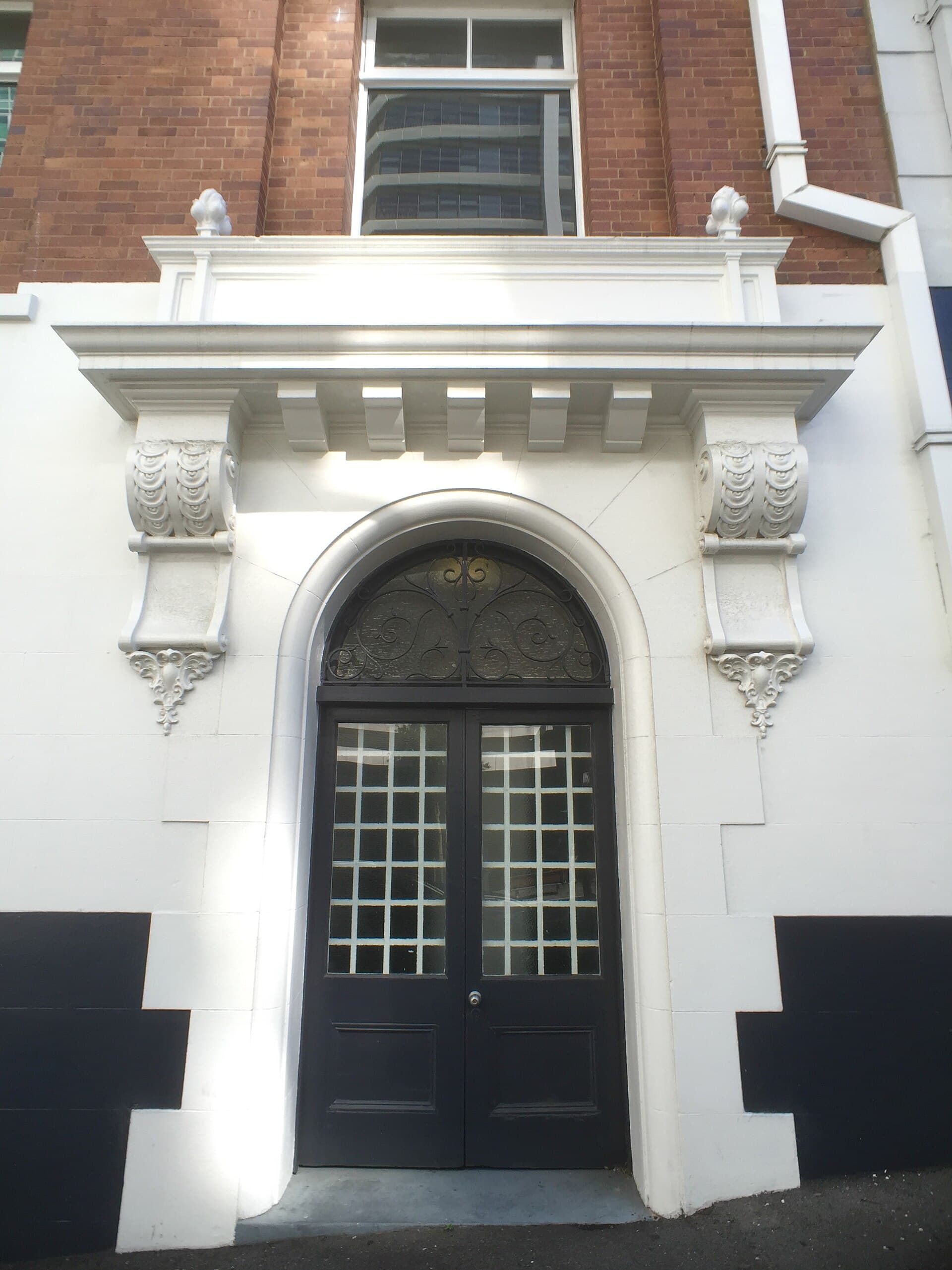
Composite and uPVC doors in Australian climates
uPVC versus composite skins, heat distortion, colour fade and recyclability — when plastic doors make sense in Australia and when timber is still the quieter specification.
Elena Vukovic · 24 March 2025
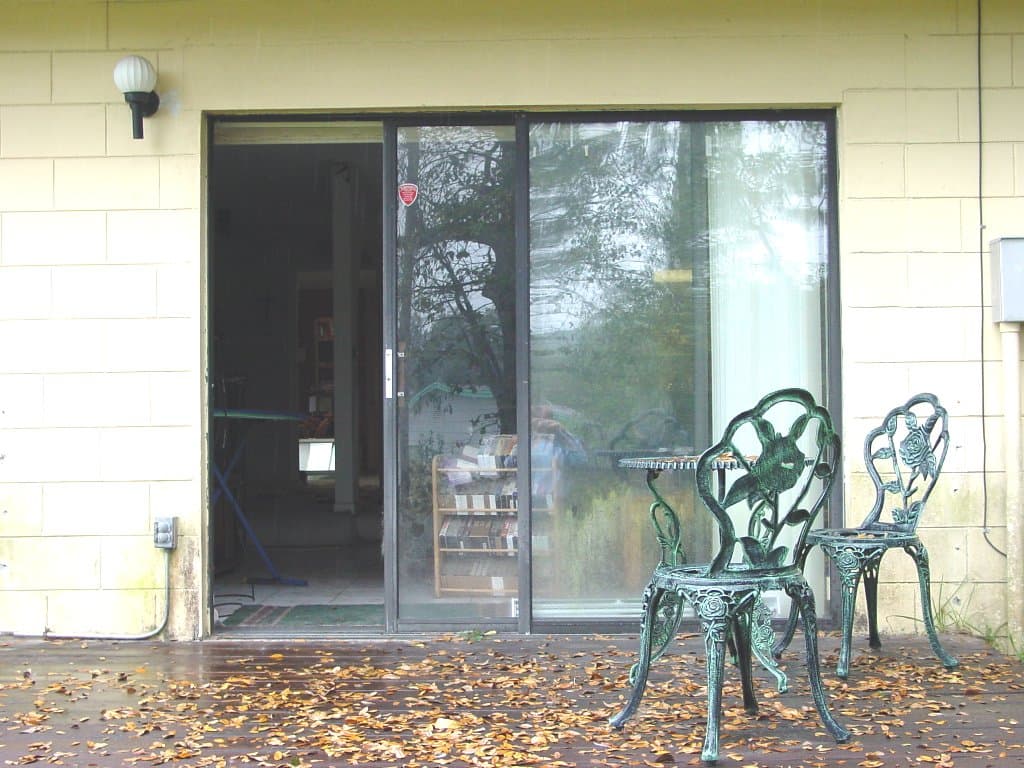
Glass doors, safety and AS 1288
Grade A safety glass, markings, human-impact locations and privacy films — how Australian glass doors stay legal, visible and liveable without turning the living room into a risk.
Marcus Chen · 19 February 2025
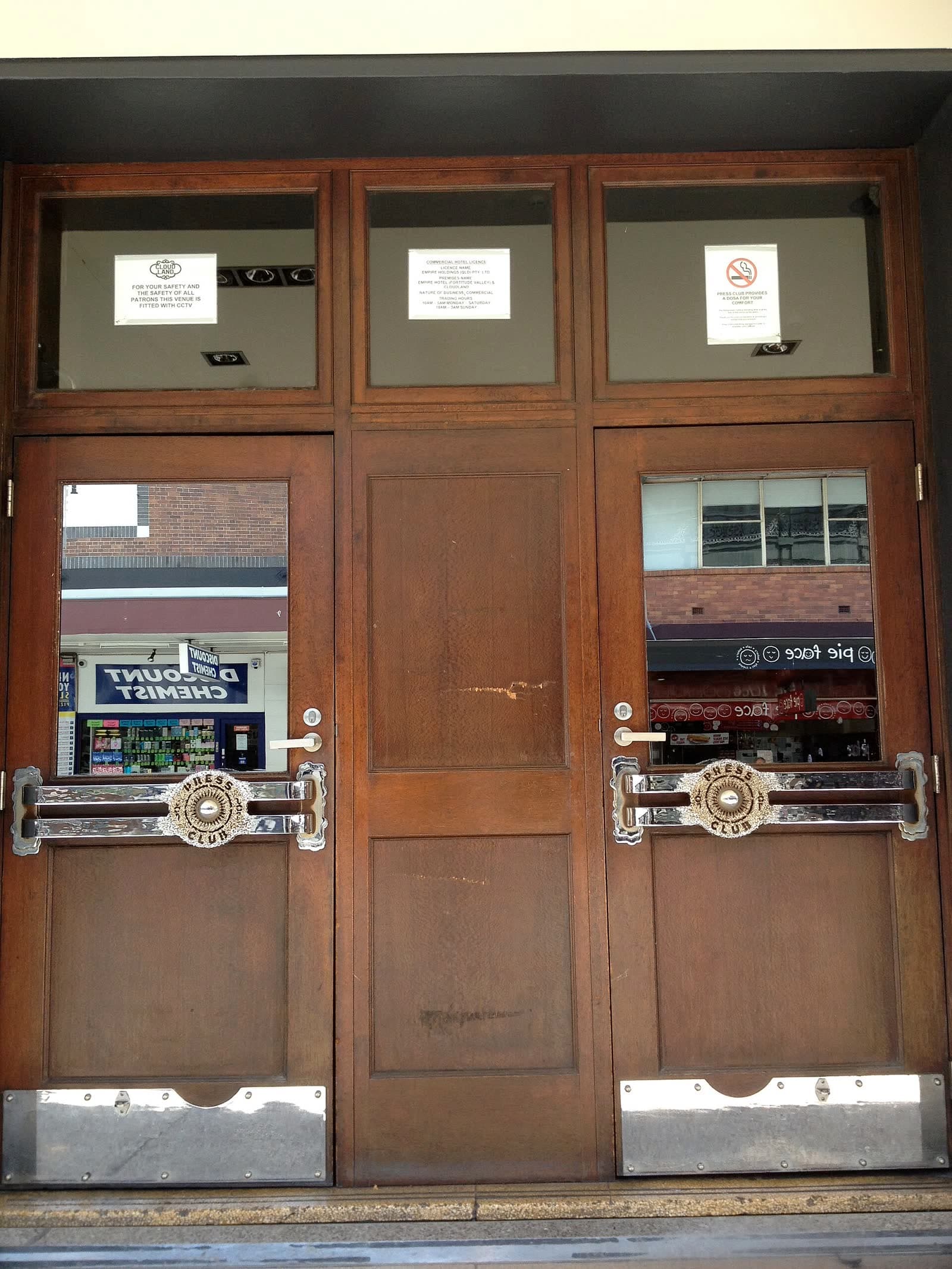
Steel security doors without the fortress look
Steel skins, multipoint locks and rust — how to specify a secure Australian entry that still belongs on a weatherboard street rather than a compound.
Tom Ashford · 15 January 2025