Wet-area doors, laundries and waterproofing
Bathrooms, laundries and AS 3740 interfaces — moisture-resistant cores, thresholds and ventilation, so the door leaf is not the thing that quietly rots first.
Door Sales editorial · Staff · 12 August 2025 · 6 min read
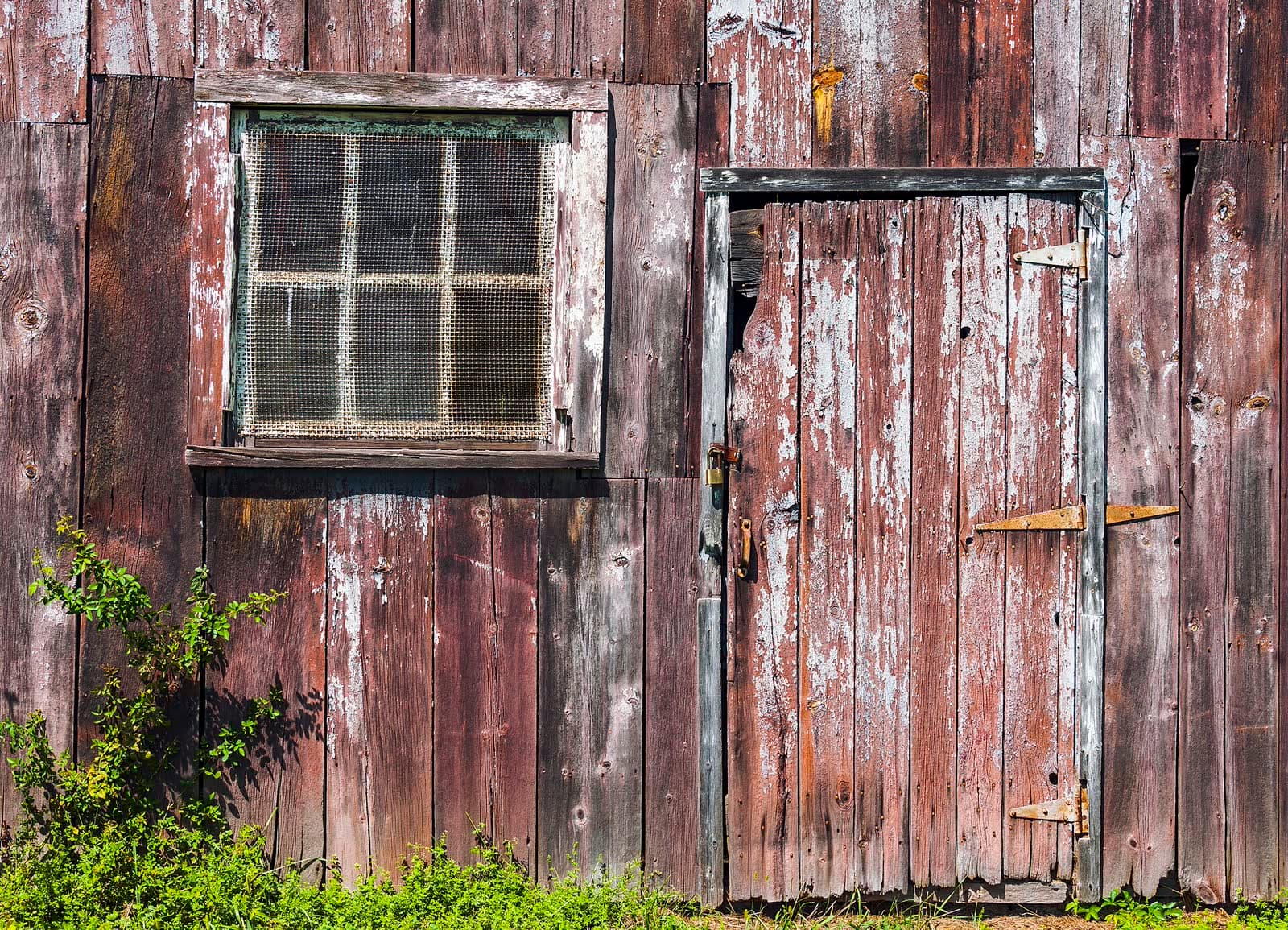
A bathroom door in an Australian house has a second job it was never sold for: it is a witness to whether the room works. If the bottom rail swells, the paint blooms, or the latch no longer meets the striker, the leaf is reporting on steam, splash and a floor that drains the wrong way. AS 3740 — Waterproofing of domestic wet areas — is the standard the National Construction Code uses for the floor and wall junctions. The door lives at the edge of that map.
This is a practical note on leaves, frames and the millimetres where a wet room meets a hallway. It is not a substitute for a waterproofing installer who knows the current AS 3740 and the NCC wet-area provisions. The materials half of the leaf argument is in solid timber, engineered and hollow-core.
Where the wet area actually ends
AS 3740 divides bathrooms, ensuites, powder rooms and laundries into zones: showers, the floor, walls above baths, and the less obvious strips beside tubs and troughs. A door is usually outside the shower enclosure. It is not outside the moisture. Steam moves. A handbasin on the door wall splashes. A washing machine hose fails at the crimp and writes a high-water mark along the hallway.
The waterproofing membrane should run to the doorway in the way the standard and the manufacturer detail — often through the opening, under the frame, or to a defined termination with a sill. A frame planted on top of a finished tile lip with no membrane continuity is a classic leak path. Water goes under the jamb, into the particleboard floor, and appears a metre away as a soft skirting.
Showers over baths, and bathrooms without a hob, make the doorway more important. Level-access showers — now common because of NCC access and thresholds — need the floor to drain back into the wet room. If the fall is lazy, the door becomes a dam. If the fall is toward the door, the hallway becomes the wet area.
Leaves that survive steam
Hollow-core cardboard does not like bathrooms. It is still sold for them because it is cheap and light. In a powder room that is rarely used, with a working exhaust, it can last. In a family bathroom in climate zone 2, with a teenager who showers like a weather event, the bottom of the leaf goes soft. The skin bubbles. The lock block loosens. Replacement is the repair.
Better residential choices, in roughly increasing seriousness:
- A moisture-resistant engineered door with sealed edges and a paint system that includes the top and bottom rails.
- A solid-core or solid-timber leaf, fully sealed, if the household will keep the coating up.
- A plastic-laminate or composite leaf in a laundry or a hard-wearing rental bathroom, where dignity is secondary to wipe-down.
- A properly detailed cavity slider with a moisture-resistant slab, used when swing space is the enemy — and only if the pocket stays dry.
Avoid raw MDF edges. Avoid an unsealed cut-down leaf. A door trimmed on site for a tiled floor, then hung with a bright stripe of raw core along the bottom, is a sponge with a handle. The six-edge rule from the timber essay is not optional in a wet room.
Glass shower doors are a different product and still sit under AS 1288 for Grade A safety glass. A glass leaf used as the bathroom door onto a bedroom, fashionable in some hotel-minded renovations, is a privacy and steam problem as well as a glass one. Films and curtains are not waterproofing.
Laundries, troughs and the flood that is not a shower
Laundries are wet areas with machinery. AS 3740 and the NCC treat them seriously because a machine overflow is a larger, faster flood than a missed shower seal. The door to the hallway is the last chance to keep that water in the room.
Detail the laundry as if the hose will fail:
- A floor that falls to a drain, not to the hallway.
- A threshold or a slight set-down that can hold a few litres while someone finds the tap.
- A leaf that can take a wet bottom rail — not a hollow-core bargain.
- Services on the wall that do not force the door to scrape a tap or a dryer vent.
- A dryer that exhausts outdoors, not into the room and through the door undercut into the rest of the house.
Stacked washer-dryers in apartments add vibration and lint. A door that rattles is telling you about the machine and the floor, not about a need for a closer. Lint against a warm dryer and a tired lint filter is a fire story; keep it out of the door cavity and the hallway.
A laundry that also holds a second toilet or a shower is two wet areas in one. Use the more demanding waterproofing detail and the more demanding door.
Ventilation, undercuts and the myth of the saw cut
Moisture leaves a room through an exhaust fan that actually ducts to outside air, or it leaves through the door into the house. The second path is how you get peeling paint in the hallway and mould on the wardrobe behind the ensuite.
The NCC ventilation provisions and common sense agree: the fan should run, the duct should not dump into the roof space, and make-up air should be designed. A 10 or 20 millimetre undercut under the bathroom door is a traditional make-up path. It works when the fan works. It also lets light, sound and a spill through.
Better patterns:
- A transfer grille in the door or the wall, placed high enough that a floor spill does not pour through it.
- Make-up air from a corridor that is not a bedroom, if the household cares about acoustic privacy.
- A fan with a run-on timer, so the room dries after the door is closed.
- In climate zones 1 and 2, an actual openable window or a screened door to a verandah, used as the wet-season habit.
Do not undercut a fire door or a door that is doing acoustic work unless the grille is part of that rated system. Do not undercut so deeply that the leaf looks like it shrank.
Condensation on a cold aluminium frame in a poorly exhausted ensuite is the energy essay arriving in a towel. Fix the air first.
Frames, cavities and the hidden rot
The jamb is more expensive to replace than the leaf. Water that sits in a timber reveal, or in the bottom of a steel frame, will take the architrave, the plaster and the floor with it. Seal the bottom of the jamb. Keep the membrane detail that the waterproofing contractor drew. Do not caulk over a gap that should have been a flashing and then declare the job finished.
Cavity sliders hide a pocket of frame, plaster and air. Steam goes in. Mould grows where you cannot paint. If the opening must be a cavity, specify a moisture-resistant lining, keep splash off the mouth of the pocket, and accept that this is a harder wet-area detail than a hinged door with a visible jamb. In a laundry, a hinged door is usually the calmer adult.
You can keep an original four-panel if you seal it and exhaust the room. You cannot keep it if the bottom rail is already compost.
Waterproofing is a membrane and a fall. A door is only the lid on that work. If the lid is rotting, look at the fan and the floor before you blame the timber.
Hardware that does not mind a wet hand
Specify chrome, stainless, or a coated lever that will not bloom in a coastal ensuite. Bathroom locks are privacy sets: they should open from outside in an emergency, because wet rooms are where people fall. In accessible bathrooms, the lever and threshold are NCC access work.
Write the doorway on the wet-area drawing: membrane termination, floor fall, leaf construction and sealed edges, exhaust and make-up air, hardware that opens from outside. Then run the shower hot with the fan on, and again with it off. The bottom rail will tell you whether the room is a wet area or a steam engine.
Frequently asked questions
- Can I use a hollow-core door on a bathroom?
- You can, and many Australian houses did. It is a short-lived choice if the room steams, the exhaust is weak, or water reaches the bottom rail. A moisture-resistant engineered leaf or a well-sealed solid core lasts longer and fails more slowly.
- Does AS 3740 tell me which door to buy?
- Not by brand. AS 3740 is about waterproofing the wet area — floors, walls, junctions. The door sits at the edge of that work. The standard cares about how water is contained. The leaf still has to survive the moisture that the room produces.
- Should a laundry door be undercut for ventilation?
- An undercut can feed a fan or a dryer, and it can also flood the hallway when the machine misbehaves. Prefer a planned make-up air path and a threshold that can hold a small spill. Do not confuse a 20 millimetre saw cut with a ventilation design.
- Are cavity sliders a bad idea on bathrooms?
- They save swing in a tight house, but the pocket is a hidden wet cavity if steam and splash reach it. Use a moisture-resistant leaf, keep water off the pocket mouth, and exhaust the room. A soaked cavity frame is a renovation you cannot see starting.
Keep reading
Acoustic doors for apartments and home offices
Rw ratings, seals and solid cores — how to specify an Australian apartment entry or a studio door that keeps piano, podcast and hallway noise in their proper rooms.
Elena Vukovic · 17 September 2025

NCC access, thresholds and mobility
Livable Housing Design, 820 millimetre clear openings, ramps and door closers — how the National Construction Code and AS 1428 changed the way Australian houses meet the street.
Marcus Chen · 25 June 2025

Energy ratings, weather seals and condensation
WERS, air leakage and thermal breaks — why Australian doors sweat, whistle and waste heat, and how climate zone should change the specification.
Marcus Chen · 20 May 2025