Steel security doors without the fortress look
Steel skins, multipoint locks and rust — how to specify a secure Australian entry that still belongs on a weatherboard street rather than a compound.
Tom Ashford · Hardware and security · 15 January 2025 · 6 min read
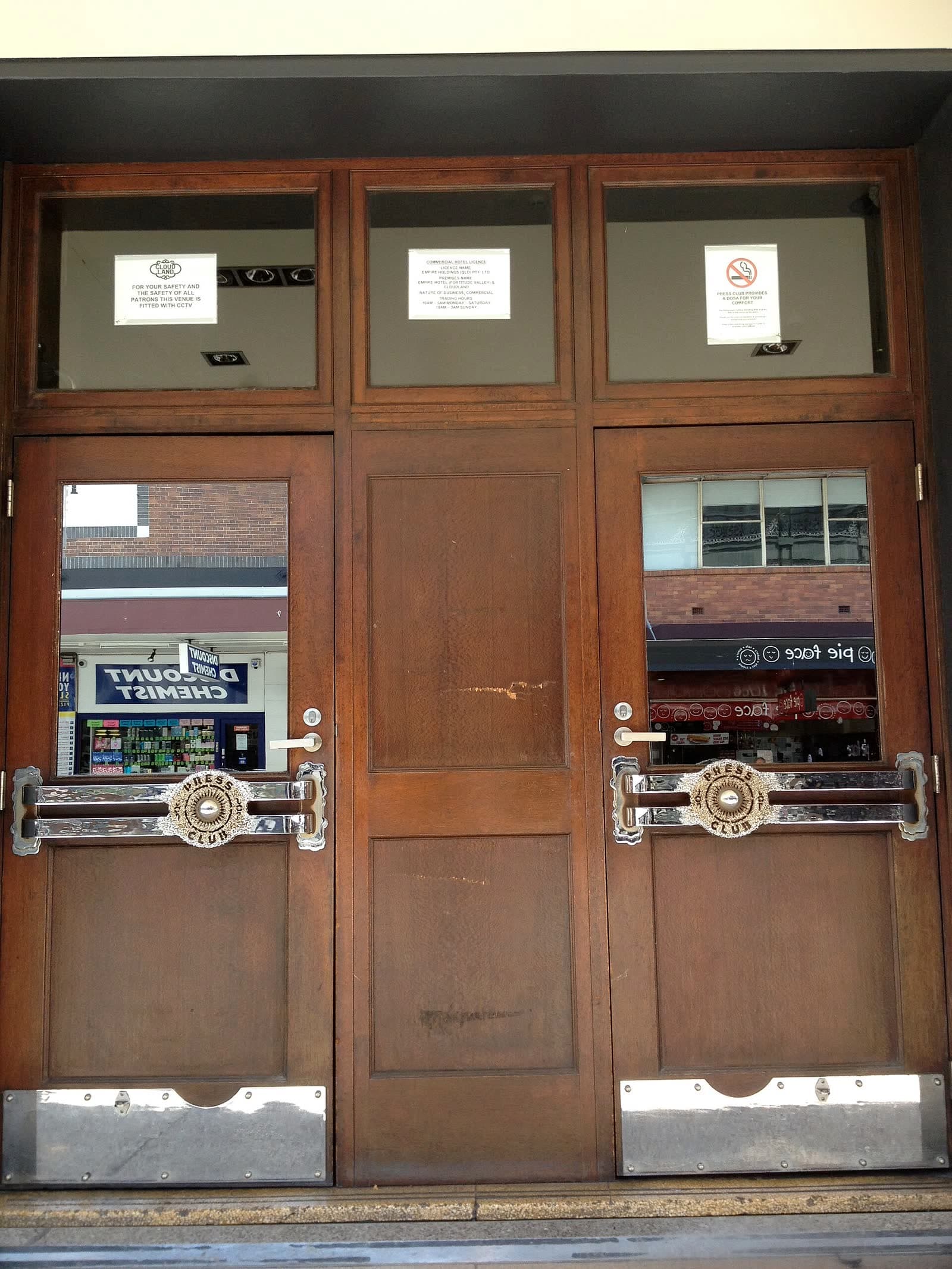
Security is a feeling until it is a specification. A lot of Australian steel doors sell the feeling: aggressive mesh, a black powdercoat that photographs like armour, a marketing paragraph about “impact”. Then the door lands on a 1920s weatherboard with a tessellated path and looks like the house has been put on remand.
Steel is a good door material. It is stable, it takes a serious lock, it can meet insurance language that timber sometimes cannot, and it does not swell in a Brisbane wet week. The work is to keep those virtues without turning the street elevation into a compound. This is a materials and hardware note. The mesh-and-screen half of the argument is in security screen doors that actually work.
What a steel door is, under the paint
Most residential “steel security” entries are not bank vaults. They are two steel skins over a framed core — sometimes timber, sometimes foam, sometimes a designed composite — with a lock block that can take a multipoint. Commercial doors can be fully welded hollow-metal frames. Heritage replicas are often a steel structure wearing timber mouldings. The word steel on a quote is the beginning of a question.
Ask what the skin thickness is, how the edges are seamed, whether the core is insulating, and where the lock sits. A thin skin over cardboard with a decorative grille is a costume. A properly seamed leaf with a lock rail will take a three-point or five-point lock and still close in February.
Weight is the honest clue. Steel is heavier than hollow-core and usually heavier than a light engineered timber slab. Hinges, closer and frame have to match. A steel leaf on a tired pine jamb with two hinges is how you get sag, then a latch that misses, then a door that is “secure” only in the sense that it no longer opens cleanly.
Multipoint locks and the plane of the leaf
A single latch is a convenience. A multipoint lock throws bolts into the head and sill, or into the strike edge at several heights. On a steel door that extra engagement does two jobs: it resists a jemmy at the latch, and it keeps a tall leaf from twisting so the weather seals stay in contact.
Insurers and some state crime-prevention notes talk about lock standards — AS 4145 is the usual citation for locksets — rather than about the theatre of the leaf. A locked window beside an unlocked door is still the opening. Specify the lock to the rating you actually need, have it installed by someone who understands steel door furniture, and keep a keying system the household can live with. A fortress no one can lock at 11 p.m. is not secure.
Cylinders, not just bodies, get attacked. A decent euro cylinder with anti-snap features is cheaper than a new door. Pair it with furniture that does not corrode onto the skin. The hardware hub is where finishes and cylinders are argued at length; here the point is only that steel does not forgive a cheap zinc lever in sea air.
Sightlines, glass and the civil elevation
The fortress look is usually a glass problem. Tiny punched openings, diamond mesh, and a leaf that admits no view of the verandah say “keep out” to the street and “we live in a siege” to the people who have to use the door every day. A steel door can carry a tall glazed panel in Grade A safety glass to AS 1288, a fanlight, or a sidelight that keeps the Victorian or interwar proportion.
On a Federation or weatherboard cottage, keep the panel layout that the house already speaks. A four-panel read, even if the construction is steel, sits more quietly than a flush slab with a letterbox slot. On a contemporary brick veneer, a simple painted steel leaf with a narrow vertical glass line can look like architecture rather than aftermarket security.
Colour does more than people admit. A steel door in the same deep green or barn red as the existing timber work disappears into the elevation. A contrasting black “security” colour announces the substitution. There is a place for an honest black door. It is rarely the place where the rest of the house is cream weatherboard and a bullnose verandah.
Grilles, if you need them, can sit behind glass or in a separate screened bay rather than across the whole face. See the screen-door essay before you weld a portcullis onto a nice street.
Rust, coatings and the Australian year
Steel rusts. The sentence is not optional. Coastal salt, bushfire ash, irrigation overspray, and the wet-dry cycle of a Melbourne winter all find a chip in the paint. A factory powdercoat or a two-pack system with a proper zinc-rich or pretreatment story will last. A site-sprayed enamel over mill scale will not.
Design the leaf so water leaves. A flush bottom rail that sits in a puddle on a poorly drained porch is a rust factory. Weep holes that fill with paint on the last coat are a rust factory. A letter slot that lets weather into an unsealed core is a rust factory with mail.
Maintenance is unglamorous and specific:
- Wash salt and grit off with fresh water, especially after a northerly on the west coast or a northeaster on the east.
- Repair chips in the coating before orange appears, then before it spreads under the film.
- Keep stainless or well-coated fasteners. A mild-steel screw weeping down a white stile is a one-season tell.
- Do not trap the door against wet pot plants, a dripping hose cock, or a garden bed built up over the sill.
Heritage streetscapes and the conversation with council
A steel door on a listed terrace or in a conservation area is a drawing problem before it is a product problem. Many councils will accept a steel construction if the visible leaf keeps the panel, glaze and colour logic of the street. Fewer will accept a flush security door with a camera doorbell where a four-panel and a brass knocker used to be.
Bring a photograph of the existing elevation, a dimensioned drawing of the proposed leaf, and a note on how the transom, sidelights and tiling survive. If bushfire overlay is also in play — it often is on the urban fringe — the BAL specification and the heritage specification have to be the same door. That is possible. It is not a walk-in catalogue purchase.
For shopfronts and pubs, a steel door that reads as joinery, with a closer and a glazed view of the bar, does more for night-time safety than a solid blank. The cover photograph is timber and still teaches the lesson: a dark, well-made leaf can be serious without being hostile.
The job of a security door is to be boring to attack and ordinary to live with. If it only manages the first, you have bought a fortress and still have to come home to it.
Steel against timber, aluminium and screens
Steel wins on stability and lock support. Timber wins on repairability and a weatherboard street. Aluminium wins on weight and coastal corrosion if specified properly. A security screen in front of a decent primary door often gives more everyday air and as much practical delay as a grim steel slab.
Insurance wording matters more than folklore. Read the policy. A steel door that is not locked, or that sits beside an old slider with a bent interlock, is not a system. In bushfire country, metal doors can be part of a BAL story — ember seals, no vulnerable raw timber edges, screens that meet AS 3959. That is compliance, not a reason to make the leaf look like a bunker.
Specifying a civil steel door
Write the opening as a system:
- Leaf construction, skin, core and lock rail.
- Frame material and how it is fixed back to a structure that is not rotten.
- Lock standard, cylinder, and whether the multipoint is actually required.
- Glass type and markings to AS 1288, if glazed.
- Coating system and the corrosion category of the site.
- Closer and opening force if the door is on an access route under the NCC.
- How the door sits with screens, sidelights and the existing street proportion.
Then stand in the street and ask whether a stranger would read a house or a compound. If the answer is compound, the steel can stay. The styling has to change.
Frequently asked questions
- Does a steel security door have to look like a vault?
- No. Slim sightlines, a painted skin that matches the house, and glazing in the right places do more for civility than a cheaper door with aggressive grille work. The lock and the frame do the security work. The styling is a choice.
- Will a steel door rust on a coastal weatherboard cottage?
- It will if the coating is thin, the drain holes are blocked, or mild-steel hardware sits in salt air. Specify a proper paint system, stainless or well-coated furniture, and a sill that dries. Wash it. Rust is usually maintenance plus specification, not fate.
- Is a multipoint lock worth it on a residential entry?
- On a steel or engineered entry, often yes. Multiple bolts keep the leaf in plane and make jemmying the latch edge less rewarding. The lock still has to be installed into a solid frame. A multipoint into a rotten timber jamb is theatre.
- Can I put a steel door on a heritage shopfront?
- Sometimes, if the leaf reads as a door rather than a cell, the highlights and fanlight stay, and the council or heritage adviser has been shown a drawing rather than a catalogue. A flush steel slab under a Federation transom is usually the wrong sentence.
Keep reading
Composite and uPVC doors in Australian climates
uPVC versus composite skins, heat distortion, colour fade and recyclability — when plastic doors make sense in Australia and when timber is still the quieter specification.
Elena Vukovic · 24 March 2025
Glass doors, safety and AS 1288
Grade A safety glass, markings, human-impact locations and privacy films — how Australian glass doors stay legal, visible and liveable without turning the living room into a risk.
Marcus Chen · 19 February 2025
Aluminium doors for coastal Australia
Powdercoat, anodising, 316 screws and thermal breaks — how aluminium doors survive salt, sun and cyclone country without turning into a maintenance hobby.
Elena Vukovic · 21 November 2024