Fire doors for Australian homes and units
A fire door is a tested doorset under AS 1905.1, not a heavier internal leaf. The tag, the closer and the seals are the product.
Marcus Chen · Compliance editor · 30 September 2025 · 7 min read
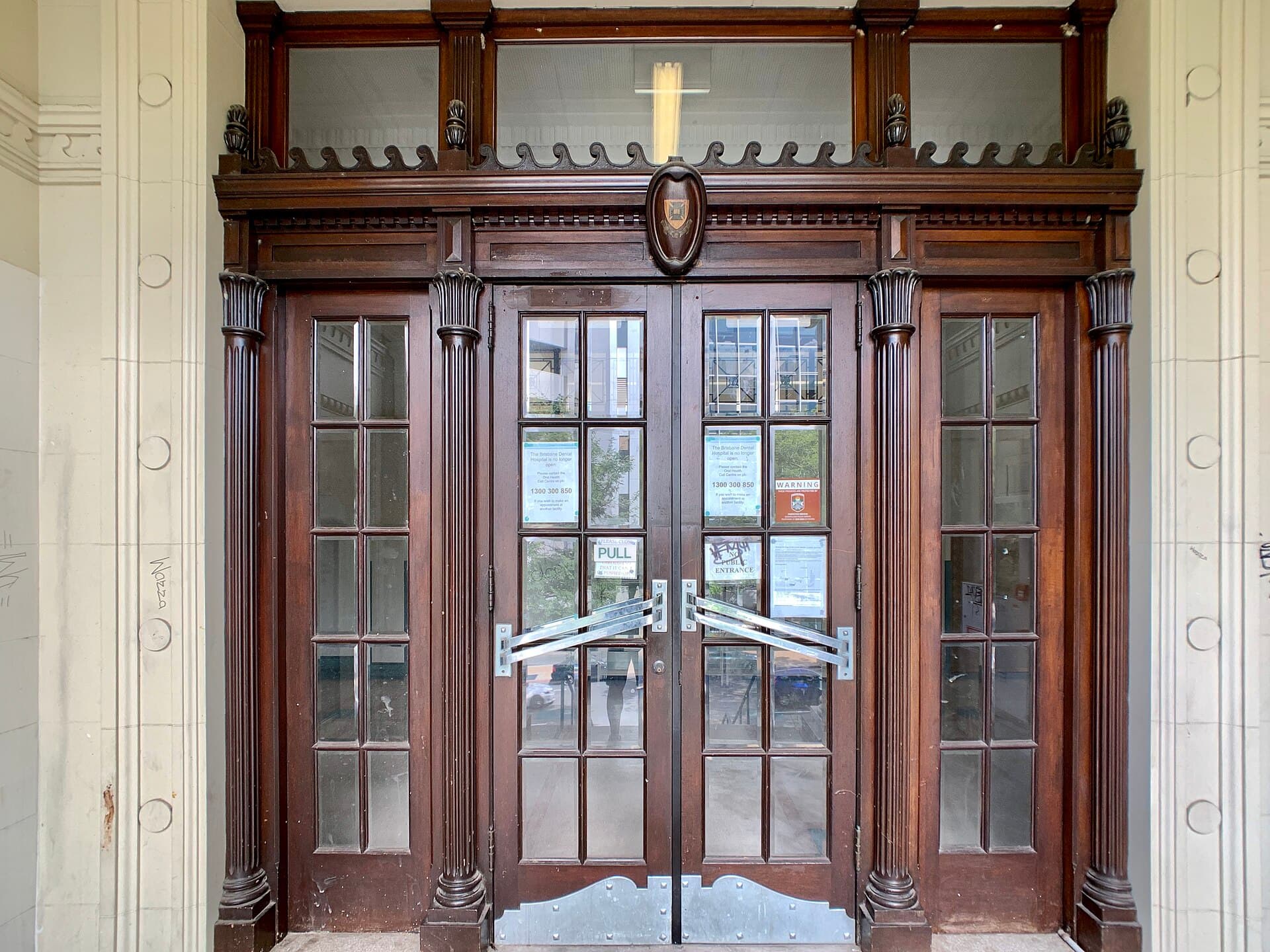
A fire door is not a thick internal door with a serious expression. It is a tested assembly — leaf, frame, seals, closer, latch — that has been put through a furnace under AS 1905.1 and then tagged. If you change the assembly, you do not have the test.
Fire doors turn up in ordinary Australian life in two places: the door from the garage into the house, and the entry door to a unit. They also turn up wherever a Class 2 to 9 building needs a protected opening. The buying mistake is to treat them as joinery you can trim to fit.
The rest of our compliance writing sits with this piece. BAL, access and energy each have their own doors. Fire has a tag.
AS 1905.1 and the doorset, not the slab
AS 1905.1 is the Australian Standard for fire-resistant doorsets. The important word is doorset. The leaf was tested in a frame with specified gaps, hardware and seals. A handsome solid-core door hung in a planted pine jamb with a $12 pair of hinges is not that doorset, even if the core is dense.
When you buy, you are buying:
- A tagged leaf with a Fire Resistance Level.
- A matching frame, or a frame the manufacturer allows.
- Seals — smoke, intumescent, or both — as the test report requires.
- A closer that shuts the door from any angle the standard and the manufacturer name.
- A latch or lock that holds the door in the rebate when it is shut.
The installer is part of the system. So is the painter who must not skin over the tag. So is the occupant who must not put a doorstop behind it.
If a supplier cannot show you the tag convention and the installation notes, you are in the wrong shop.
How to read -/60/30
A Fire Resistance Level has three numbers, in minutes: structural adequacy, integrity, insulation. A domestic fire door is often written -/60/30.
- Structural adequacy is about load-bearing elements. A door usually carries a dash.
- Integrity is the minutes the doorset keeps flames and hot gases from punching through.
- Insulation is the minutes the unexposed face stays within the temperature rise the test allows.
-/60/30 therefore means: no structural number, an hour of integrity and half an hour of insulation. Other tags exist — -/60/60, -/120/30 — and they are not interchangeable. The NCC and the fire schedule name the FRL.
The tag is usually a metal plate on the edge of the leaf. It has to remain legible. Painting over it is a classic way to fail an inspection. So is planing the edge and taking the tag off with the shavings.
Self-closers, seals and the gaps that matter
A fire door that stands open is a wall with a hole. The closer is not optional on a door that the NCC or the fire schedule requires to be self-closing.
Choose a closer that is rated with the door, sized for the leaf, and installed so it actually latches. A closer that almost shuts, leaving the latch to click when someone gives it a hip, is not closing. On a unit entry that also has a draught and a tiled corridor, the closer has to overcome the seal without slamming. That is adjustment, not a different product every six months.
Seals do two jobs that people conflate. Intumescent seals swell in a fire and close the gap. Smoke seals work at the ordinary temperatures of a smoky corridor. Many doorsets need both. Cutting them off because they squeak is how smoke gets into a bedroom.
Gaps are part of the test. Too tight and the door binds, then someone wedges it. Too open and the FRL is a story. Follow the manufacturer’s range — often a few millimetres at head and jambs, a controlled gap at the sill, sometimes a drop seal. Do not “let it breathe” with a 20 millimetre undercut because the garage slab is uneven. Pack the slab or use the seal the doorset was tested with.
Hardware has to stay in the tested family. A new lever is usually fine if the lockset is allowed. A new vision panel is not a weekend job. A letter slot, a cat flap, a security viewer of the wrong size — each of these is a conversation with the manufacturer, and the answer is often no.
Apartment entries
In a Class 2 building the unit entry door is often a fire door, and it is often also the door you live with every day: keys, prams, groceries, a closer that fights you. The fire schedule will name the FRL. The building’s essential safety measures will expect the closer to work for the life of the occupancy.
That has buying consequences.
- You cannot swap a tagged door for a hollow-core “feature door” because the interior designer preferred a veneer.
- You can often specify a permitted decorative skin or a permitted colour, if the doorset remains the tested one.
- Locks have to satisfy both the fire door and the security brief. A locksmith who only thinks about cylinders can wreck a fire door with a bigger mortice. Use someone who will read the door’s hardware schedule.
- Smoke seals will make the door feel different to a cheap internal. That resistance is the product working.
If you live in a unit and the entry door slams, ask for adjustment before you take the closer off. If the tag is missing, that is a building problem, not a cosmetic one.
Garage to house in a Class 1 dwelling
The attached garage is where homeowners meet fire doors. The NCC’s domestic provisions generally want the opening between a garage and the habitable part of a house to be protected. The everyday specification is a fire-rated doorset with a self-closer.
This is the door people replace with a moulded hollow-core because the laundry is being renovated and the paint did not match. It is also the door they wedge open while carrying shopping. Both habits defeat the separation. A fire in a garage — petrol, batteries, a freezer, a pile of boxes — is not a theoretical fire.
When you buy:
- Order a tagged -/60/30 doorset (or whatever the certifier has named) as a set, with frame if the existing jamb is not suitable.
- Specify the closer on the purchase. It is not a later extra.
- Think about the laundry function. You can have a fire door that looks like a paint-grade internal. You cannot have a louvered laundry door on that opening.
- If you want glass, buy a tested lite, not a hole.
The big garage door is a different product. It has its own bushfire and wind problems. It does not replace the tagged door into the house.
Wet areas, acoustic doors and other double lives
Some fire doors also have to be acoustic doors, or wet-area doors, or accessible doors with a particular threshold. Each extra job is a specification, not a vibe.
An accessible fire door still needs to close and latch. That can fight a light closer and a deep smoke seal. The answer is the right closer and a permitted threshold, not the removal of the seal.
Humidity will move a poorly sealed edge like any other door. Fire doors still want their top and bottom sealed.
Costs, lead times and what you must not do
Ranges, in Australian dollars:
- A standard-size -/60/30 paint-grade doorset for a house garage or a simple unit: about $800 to $2,000 supply.
- Frame, closer, seals and hanging: often $400 to $1,200 on top, more if the wall has to be packed or the opening is a steel stud that was never plumbed.
- Glazed lites, custom sizes, higher FRLs, acoustic pairings: $1,500 to $4,000 and up is a real range.
Lead times are longer than a hollow-core pallet. Two to eight weeks is ordinary. Do not demolish the old door until the new doorset is on site.
Things that void a fire door, in language a homeowner can use:
- Planing the edges down past the manufacturer’s limit.
- Cutting in a pet flap, a letter slot, or a lock the schedule does not allow.
- Removing the closer or the latch.
- Painting over the tag.
- Changing the frame to something prettier.
- Holding the door open with a wedge, a magnet that does not release, or a hook.
The tag is the door. Everything else is decoration until the furnace says otherwise.
If you remember nothing else, remember this. Buy the tested doorset that the NCC path names. Keep the tag readable. Let the closer latch. Do not cut holes in it. For a garage or a unit, that is the whole of a grown-up specification. The paint colour can be the same as the hallway. The certificate cannot.
Frequently asked questions
- What does a fire door tag like -/60/30 mean?
- It is a Fire Resistance Level. The dashes and numbers are structural adequacy, integrity and insulation in minutes. -/60/30 means no structural rating, 60 minutes of integrity and 30 minutes of insulation. The tag has to stay readable. Paint is not a rating.
- Do I need a fire door between the garage and the house?
- Often yes on an attached garage, under the National Construction Code path that applies to the building. The usual domestic specification is a tagged doorset with a self-closer and the right seals. A hollow-core laundry door is not a substitute.
- Can I put a dog door or a closer hold-open on a fire door?
- Cutting a flap into a fire door voids the test. Wedging it open defeats the closer. Hold-open devices exist, but they have to release on detection or power loss as the system allows. A shoe is not a device.
- How much does a residential fire door cost?
- These are ranges. A standard -/60/30 doorset for a garage or unit entry is often $800 to $2,500 supply, plus hanging, closer, seals and painting with the tag left visible. Custom sizes, glazed lites and higher ratings cost more.
Keep reading
Security screen doors that actually work
A security screen is mesh, frame, hinges and a lock that an insurer will recognise. 316 stainless and a diamond grille are not the same product as a flywire door with a key.
Tom Ashford · 19 August 2025
French and bifold doors for Australian living
French pairs and bifolds both open a room to the garden. They ask different things of the weather, the flyscreen and a heritage streetscape.
Priya Nair · 22 July 2025
Sliding, hinged and pivot doors compared
The action of a wide opening decides the weather seal, the screen and the beam over your head. Choose the hardware path before you choose the glass.
Elena Vukovic · 3 June 2025